

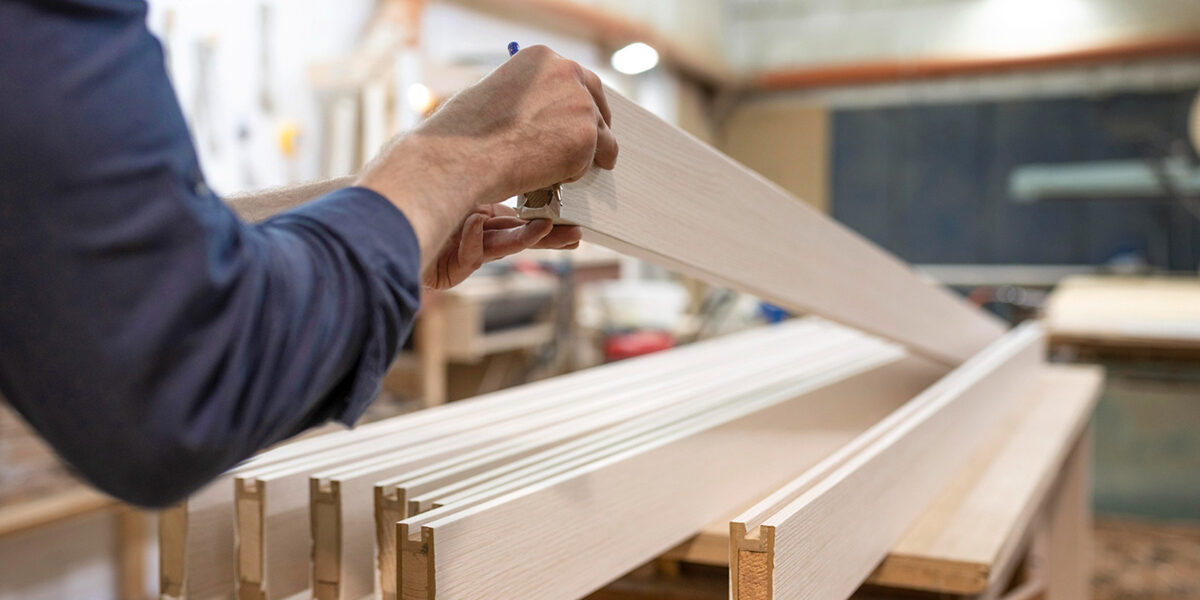
A successful construction project is not only about strong walls, clean layouts, or quality finishes. It is also about how every detail works together. This is especially true when a project includes custom cabinets, built-ins, wall panels, reception desks, shelving, trim, or architectural millwork. When construction and millwork are planned together from the beginning, the final result is usually smoother, cleaner, and more functional.
Whether it is a residential remodel, commercial interior, office improvement, or custom build-out, bringing both sides together early can save time, reduce mistakes, and create a more polished finished space.
Better Planning From the Beginning
Construction and millwork affect each other more than many people realize. Wall dimensions, ceiling heights, electrical points, plumbing locations, flooring levels, and room layouts can all impact how custom millwork is designed and installed.
If millwork is planned too late, changes may be needed after construction has already started. This can cause delays, extra costs, or design compromises. When both teams work together early, measurements, drawings, materials, and installation details can be planned properly before work begins.
Cleaner Design and Better Fit
Custom millwork is built for a specific space. That means accuracy matters. Cabinets, shelving, panels, and built-ins need to fit correctly within the finished construction. Even small differences in wall alignment, openings, or floor levels can affect the final installation.
By coordinating construction and millwork from the start, the team can prepare the space with the final details in mind. This helps create cleaner lines, better proportions, and a more finished appearance.
Improved Functionality
Millwork is not only decorative. It often plays a major role in how a space is used. A kitchen may need custom storage, a bathroom may need built-in cabinets, an office may need workstations, and a commercial space may need reception counters or display features.
When millwork planning happens early, storage, access, workflow, and usability can be considered as part of the full construction plan. This makes the space more practical, not just more attractive.
Fewer Delays During the Project
Many construction delays happen because important details are decided too late. Custom millwork can require drawings, material selection, fabrication time, finish approvals, and careful scheduling. If these steps are not started early, the project may have to wait.
Early coordination allows the millwork process to move alongside construction. While the site is being prepared, the millwork team can review drawings, confirm dimensions, select finishes, and plan fabrication. This helps keep the project moving forward more efficiently.
Stronger Quality Control
When construction and millwork are handled with a shared understanding of the project, quality is easier to manage. The team can coordinate structural requirements, finish details, installation methods, and final touch-ups. This creates a more consistent result from the larger construction work down to the smallest finish details.
Final Thoughts
Construction creates the space, but millwork often defines how that space looks, feels, and functions. When both are planned together from the start, the result is more organized, more efficient, and more refined. For homeowners and businesses, this approach helps create a finished project that is not only well built, but also carefully detailed and ready for everyday use.